
The Communities We Serve
Understanding the colonias—and the families whose resilience and dignity shape our mission.
Working alongside five Red Zone colonias.
The House of Love & Justice accompanies families in five Red Zone colonias in the Rio Grande Valley, providing compassionate assistance, educational opportunities, and a consistent community presence.
We do not publish the names or exact locations of these communities. Protecting privacy and maintaining trust are essential parts of our ministry.
What is a colonia?
Colonias are residential communities along the Texas–Mexico border where families may face low household incomes and gaps in basic infrastructure, including drinking water, wastewater services, drainage, and paved roads. The term refers to a neighborhood or community—not to the value or identity of its residents.
What does “Red Zone” mean?
Texas has used a color classification system to describe infrastructure conditions in colonias. The Red classification identifies communities with the most serious deficiencies, including inadequate potable water, wastewater services, or subdivision platting. It is an infrastructure classification, not a label for the people who live there.
Sources: Texas Department of Housing and Community Affairs; Texas Commission on Environmental Quality.
The Colonias of Texas:
An Immigrant Crisis Hidden in Plain Sight
Behind the gaps in infrastructure are families building lives, caring for neighbors, and creating community.
- Approximately 500,000
- People living in nearly 2,000 Texas colonias
- 950 colonias
- In Hidalgo County, home to over 150,000 people
- Five communities
- The primary focus of The House of Love & Justice in Hidalgo County
Population and community estimates from the fact sheet provided by The House of Love & Justice.
How colonias developed
Land developers subdivided inexpensive, flood-prone rural land in unincorporated areas into small lots and sold them to low-income immigrant families seeking affordable homes. Rapid population growth and a shortage of affordable housing left families with few residential options. Most Texas colonias are concentrated in five counties along the border, including the Rio Grande Valley.
Daily challenges
Many colonias lack basic infrastructure and services: paved roads, potable water, sewage and trash disposal, adequate drainage, street lighting, and police protection. Intense heat and severe flooding make these gaps especially dangerous.
Residents face inequities in income, wages, and health outcomes, including a high burden of obesity and diabetes. Sometimes described as “the forgotten Americans,” these communities too often remain outside public attention.
Resilience and community care
Fear and trauma connected to government oppression and immigration enforcement affect daily life. Yet women lead powerful stories of resilience, mutual support, and care for their neighbors.
Building trust through presence
The House of Love & Justice works alongside residents, churches, and nonprofit partners to respond to needs and build lasting relationships through:
- Fresh produce distributions and support for healthy food choices.
- Strengthening Families classes and support for caregivers.
- Health education and nutrition classes.
- Door-to-door visits to listen to residents and identify critical needs.
- Partnerships that connect families with practical services and support.
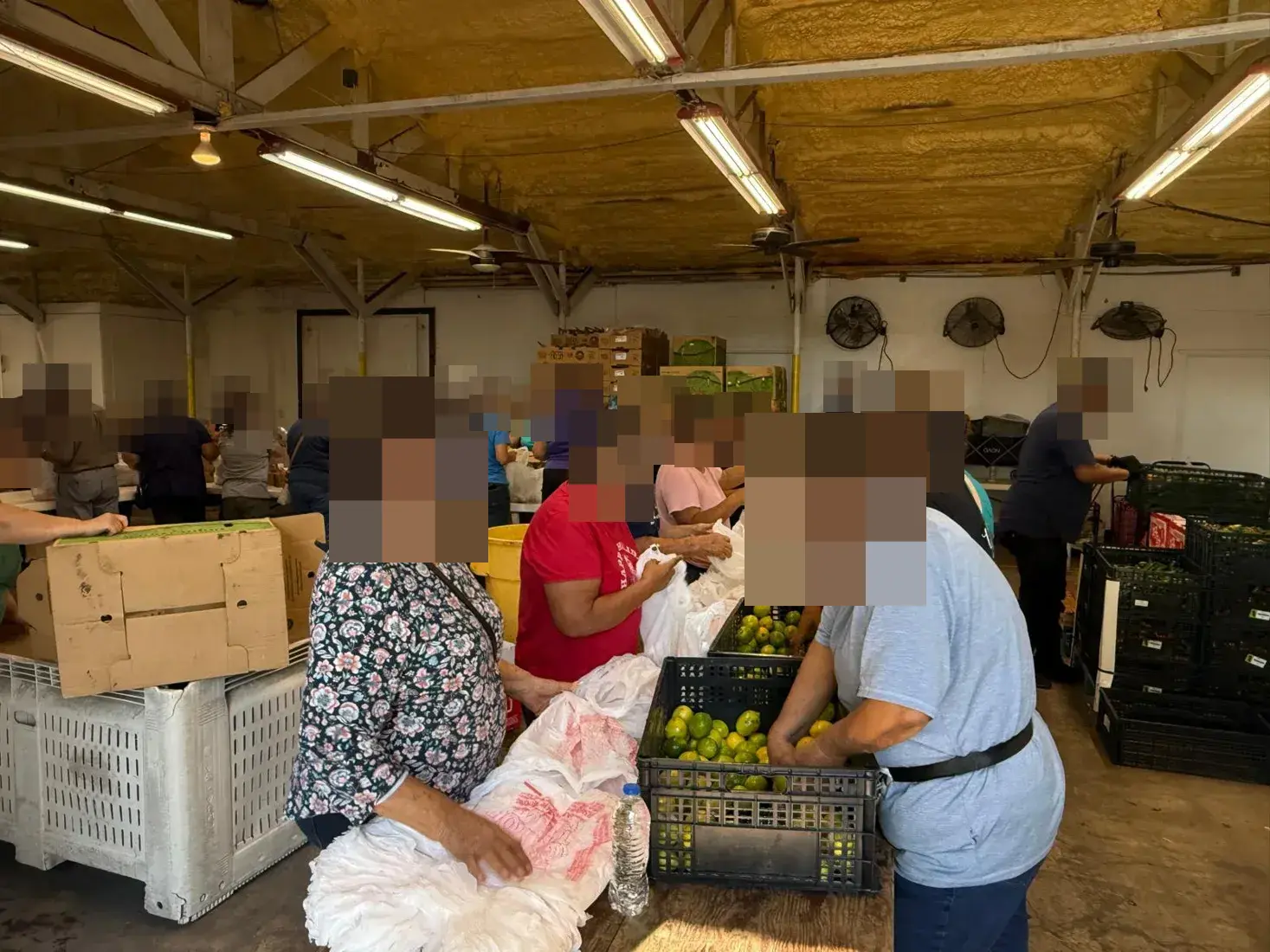
How we serve.
Food and essential supplies: Regular food distributions respond to immediate household needs.
Strengthening Families: Classes support caregivers and strengthen family relationships.
Learning, faith, and preparedness: Contextual Bible education, Know Your Rights classes, and disaster response and preparedness support community well-being.
Explore our workStand with families in the Rio Grande Valley.
Your gift supports practical care, family education, and compassionate community presence.
Donate securelyYour contribution is tax deductible. EIN: 87-3654238